
Are Oil Filters Universal: Why Filter Size (And a Lot More) Matters
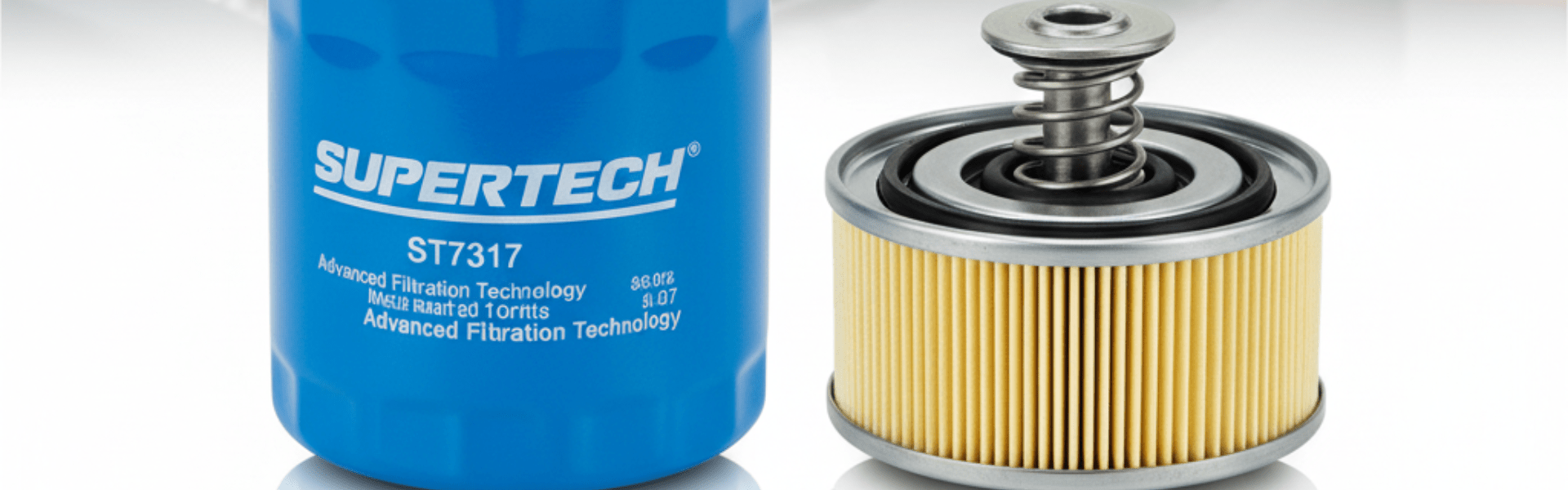
The Myth of the "Universal" Oil Filter: Why Size (and a Lot More) Matters
The sight of a wall of oil filters at your local auto parts store can be overwhelming. They all look like metal cans or simple cartridges, which naturally leads to a common question: Are oil filters universal?
The short answer is a resounding No.
While the concept of a single, universal filter would certainly make oil changes easier, the reality is that using the wrong filter can range from a minor inconvenience to catastrophic engine damage. Here's a deep dive into why oil filters are not universal and what you absolutely need to check before buying one.
1. The Critical Dimension: Fit and Threads
The most immediate reason oil filters aren't interchangeable is the physical connection to your engine. This isn't a one-size-fits-all world.
- Thread Size and Pitch: This is the screw-on point. Engines use various thread sizes (e.g., $3/4-16 \text{ UNF}$, $13/16-16 \text{ UN}$, $20\text{mm} \times 1.5$, $22\text{mm} \times 1.5$, etc.). If the threads don't match exactly, the filter won't seal correctly, or worse, it could be cross-threaded and instantly strip, causing a massive, fast oil leak and engine failure.
- Gasket Diameter: The rubber gasket on a spin-on filter must perfectly seat on your engine's mounting surface. Too large, and it may leak. Too small, and it won't seal at all.
- Overall Size: Even if the threads match, the filter's length and diameter must fit into the space available in your engine bay, avoiding interference with other components (like exhaust manifolds or steering columns).
2. Beyond the Shell: Internal Differences
Even filters that look similar on the outside have crucial differences inside that are tailored to specific engine designs.
The Role of Internal Valves
Oil filters contain two primary valves that are calibrated for your engine's specific oil system:
- Bypass Valve (or Relief Valve): If the oil gets too thick (like during a very cold start) or if the filter becomes clogged, the bypass valve opens to allow unfiltered oil to continue circulating. This prevents oil starvation, which would destroy the engine. This valve must be set to the exact pressure specified by the car manufacturer. If the pressure rating is too low, the engine will constantly bypass the filter, circulating dirty oil. If it's too high, the filter could collapse or the engine could be starved of oil.
- Anti-Drainback Valve (ADBV): Found in most spin-on filters (but often built into the engine with cartridge filters), the ADBV prevents oil from draining out of the filter when the engine is shut off. This ensures oil is immediately available upon the next start, preventing dry-start wear. The size and material of this valve are also critical.
Filtration Media and Flow Rate
Modern engines demand high-quality filtration. The filter material (cellulose, synthetic, or a blend) and the total surface area (pleats) determine the filter's micron rating and flow rate.
- Micron Rating: This is the size of the particles the filter can capture. Newer, tighter-tolerance engines often require finer filtration.
- Flow Rate: The filter must allow oil to flow through it fast enough to meet the engine's demands at high RPMs. A filter with too much restriction can cause the bypass valve to open prematurely.
3. Spin-On vs. Cartridge: A Fundamental Divide
Before you even worry about threads, you need to know the type of filter your car uses.
| Feature | Spin-On Filter (Canister) | Cartridge Filter (Element) |
|---|---|---|
| Design | A self-contained metal can with media, valves, and gasket. | Just the filter element and new O-rings/gaskets. |
| Housing | Disposable—the entire unit is replaced. | Reusable—the element is inserted into a permanent housing on the engine. |
| Environmental | Higher environmental impact (metal waste). | Lower impact (less metal waste). |
| Common On | Older vehicles, many US and Asian models. | Many newer and European vehicles. |
These two types are never interchangeable without an adapter kit.
The Bottom Line: How to Choose the RIGHT Filter
Forget the idea of a "universal" filter. To ensure you protect your engine investment, always follow these three steps:
- Consult Your Owner's Manual: This is the only definitive source for the correct part number and specifications (including oil weight).
- Use a Parts Look-Up Tool: Auto parts store websites and manufacturer sites have tools where you enter your vehicle's Year, Make, Model, and Engine Type (e.g., 2018 Honda Civic, 1.5L Turbo). This ensures a guaranteed fit.
- Stick to Quality Brands: A cheap filter may have the right dimensions but poor-quality internal components (like a weak bypass valve or low-grade media), compromising your engine's long-term health. Look for reputable brands that meet or exceed Original Equipment (OE) specifications.
In summary, oil filters are highly specialized parts. Matching the right thread size, gasket diameter, bypass valve setting, and physical design to your specific engine is non-negotiable for a safe and effective oil change.